During the winter semester 2025/2026, my colleague, Ivan Bosic, and I participated in the Erasmus exchange program in Germany at Hochschule Geisenheim University. Our interest in this institution developed after our short-term exchange in Udine, Italy, where we first learned about the research projects conducted in Geisenheim. The innovative work and strong focus on viticulture and enology motivated us to apply.
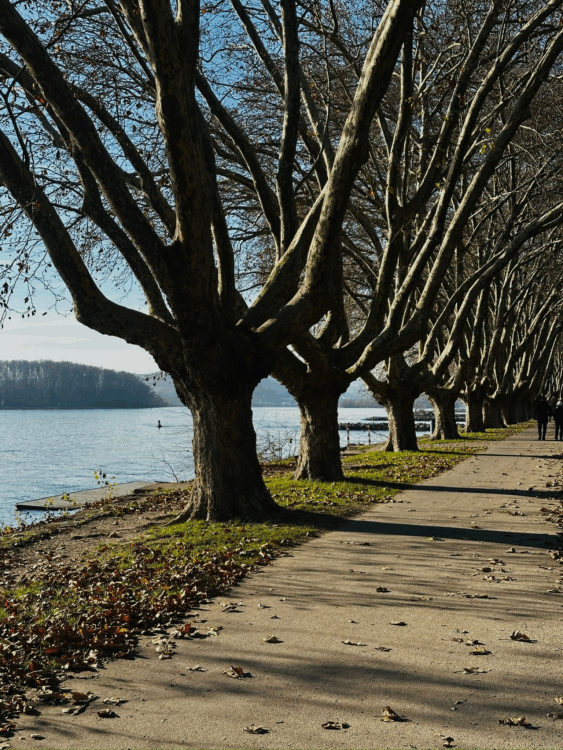
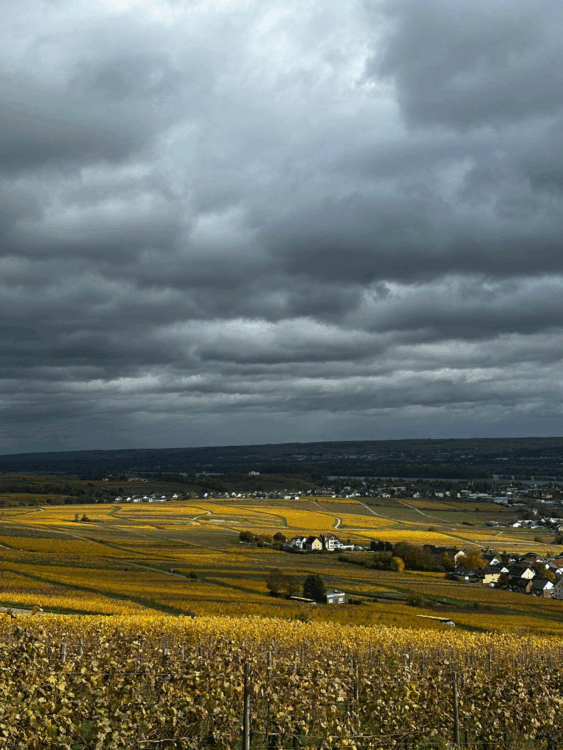
Geisenheim is a small town located on the banks of the Rhine River in the famous Rheingau wine region. The area is particularly well known for its production of Riesling and Pinot Noir, two grape varieties that play a central role in the region’s winemaking tradition. Surrounded by vineyards and numerous wineries, the town has a strong connection to viticulture and wine culture. Along the river, there are pleasant walking paths and promenades that offer a relaxing atmosphere and beautiful views of the Rhine and the surrounding vineyards, making Geisenheim a charming and characteristic wine town.
Academically, the semester was highly enriching. The professors were approachable and supportive, openly sharing their projects and extensive knowledge. Their guidance inspired us to reflect on our own professional interests and helped us better define the directions we wish to pursue, as well as those we may choose to avoid in the future.
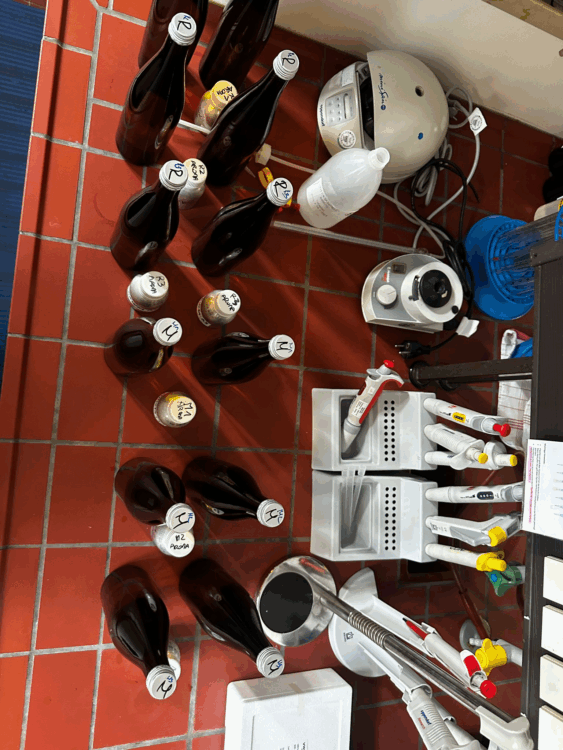
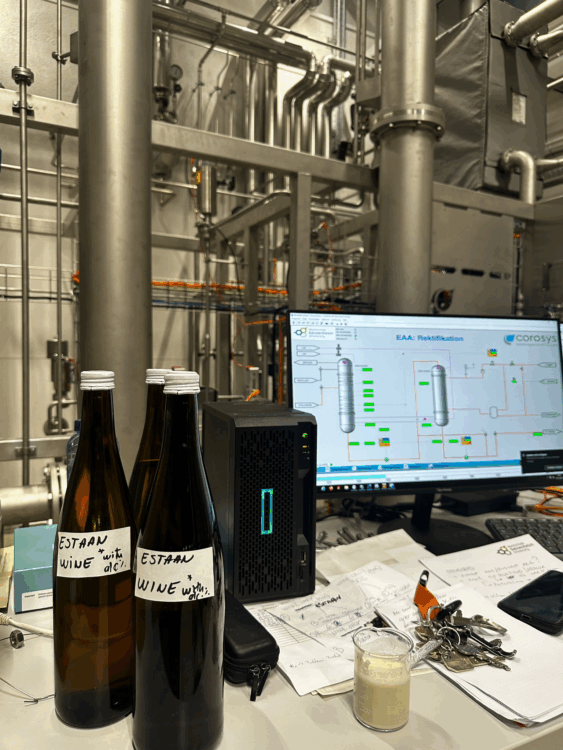
Throughout the semester, we were actively involved in research projects and laboratory work. We performed various laboratory analyses and became familiar with modern equipment, including vacuum distillation systems and other advanced technologies used in contemporary enology. In the breeding department, we practiced grafting and learned about grapevine improvement strategies. We also participated in vineyard walks, where we discussed the challenges of modern viticulture, such as climate change adaptation and sustainability.
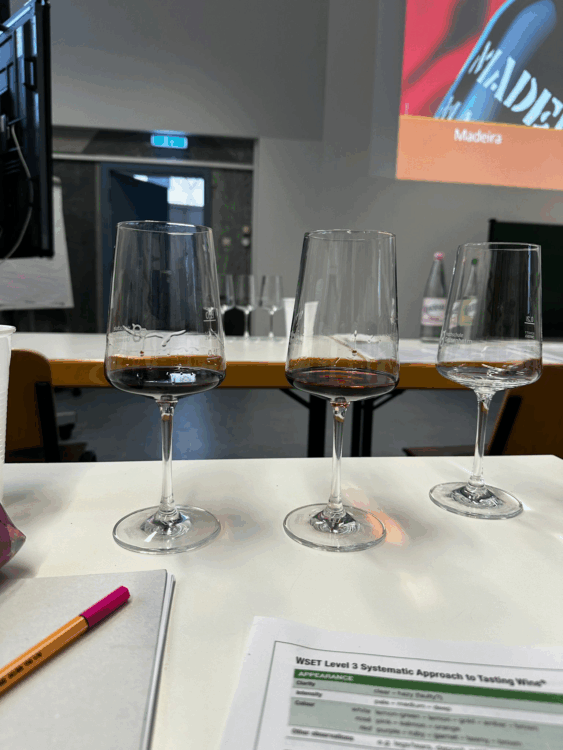
Additionally, we expanded our knowledge of global wines through training sessions for WSET Level 3, gaining deeper insight into wine styles, evaluation techniques, and international wine markets. These experiences were highly valuable for our field of study and future careers in viticulture and winemaking.
Our class group was very diverse, consisting of students from countries such as Argentina, Mexico, China, Brazil, Italy, and others. This diversity created a stimulating academic environment in which we constantly exchanged ideas, career plans, and perspectives. Beyond academic discussions, we gained insight into different cultures, social systems, and global events through everyday conversations. These interactions broadened our worldview and enhanced our intercultural understanding. We also improved our language skills, practicing English daily and further developing our Italian, which we are currently learning. Participating in team projects strengthened our communication and collaboration skills, teaching us how to work effectively with people from different backgrounds and academic traditions. At the same time, informal gatherings, coffee breaks, and discussions with assistants created a friendly and motivating atmosphere. These moments balanced the academic intensity and contributed to building meaningful connections.
Erasmus is not only an academic exchange but also a cultural one. Our stay in Germany allowed us to experience the country beyond the classroom and laboratory. We explored several German cities, learning about the culture, history, and organization of society. By immersing ourselves in a different educational and social system, we were exposed to new habits, structures, and ways of thinking. This experience pushed us out of our comfort zone and significantly contributed to our academic, personal, and mental growth.
Overall, our Erasmus experience was transformative. It enriched our academic knowledge, expanded our cultural awareness, strengthened our teamwork skills, and contributed to our personal growth. The semester in Geisenheim was not only an educational opportunity but also an important milestone in our development as future professionals in viticulture and enology.


